Buying Solar Products in Pakistan: A 2026 Shopping Guide
Buying solar products in Pakistan has become one of the smartest financial moves a household or business can make in 2026. Grid tariffs keep climbing, load-shedding remains a fact of daily life, and the cost of quality panels has fallen dramatically over the last decade. Yet the market is crowded, and choosing the right equipment can feel overwhelming. This guide walks you through what to buy, how to compare specifications, and how to shop online with confidence.
Whether you are outfitting a small home in Lahore or powering a factory in Faisalabad, the fundamentals stay the same. You need the right panels, a suitable inverter, dependable batteries if you want backup, and mounting hardware that survives our summers. Get those four categories right, and your system will pay for itself for years.
Why Solar Products Are in High Demand
Electricity prices in Pakistan have risen sharply, pushing families and businesses toward self-generation. Solar answers that pressure directly. Once installed, sunlight is free, and a well-sized array can slash monthly bills by 60 to 90 percent.
Beyond savings, solar delivers energy independence. When the grid fails, a battery-backed system keeps lights, fans, and refrigerators running. That reliability alone convinces many buyers, especially in areas where outages stretch for hours.
According to the International Energy Agency, solar photovoltaics is now the cheapest source of new electricity generation in many markets, and Pakistan’s abundant sunshine makes it an ideal candidate.
Understanding the Core Components
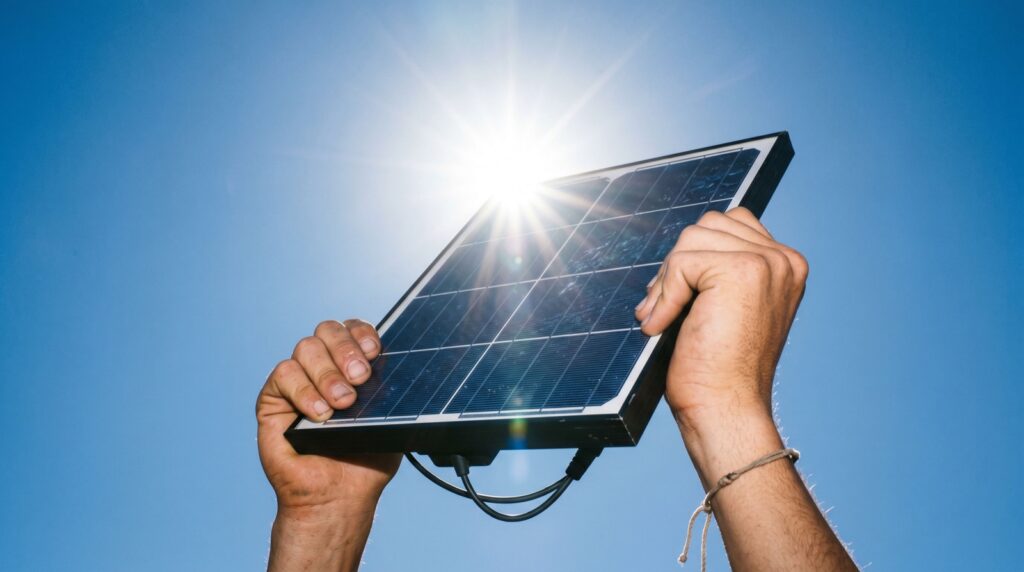
A complete solar setup revolves around four building blocks. Panels capture sunlight and convert it to direct current. The inverter transforms that into usable alternating current for your appliances. Batteries store surplus energy for night use or outages. Mounting and cabling tie everything together safely.
When you browse solar products in Pakistan, evaluate each component on its own merits rather than buying a bundle blindly. A cheap inverter paired with premium panels will bottleneck your entire system.
How to Compare Solar Panel Specifications
Not all panels are equal. Wattage tells you the peak output under standard test conditions, but efficiency, temperature coefficient, and warranty matter just as much in Pakistan’s heat.
Monocrystalline panels dominate the premium tier thanks to higher efficiency and better low-light performance. Polycrystalline options cost less and still perform well for budget-conscious buyers.
| Panel Type | Typical Efficiency | Best For | Relative Cost |
|---|---|---|---|
| Monocrystalline | 19–22% | Limited roof space, premium builds | Higher |
| Polycrystalline | 15–17% | Budget systems, large roofs | Lower |
| Bifacial | 20–23% | Ground mounts, reflective surfaces | Highest |
Always check the temperature coefficient. A lower value means the panel loses less output as it heats up, which is critical during Pakistani summers when rooftop temperatures soar.
Inverters and Batteries Worth Considering
Your inverter choice defines system behavior. String inverters suit straightforward rooftop installs. Hybrid inverters add battery support and grid interaction, making them the popular pick for homes wanting backup. Choose an inverter rated slightly above your panel array to leave headroom.
For storage, lithium iron phosphate batteries have overtaken lead-acid options. They last longer, tolerate deeper discharge, and require zero maintenance. Though pricier upfront, their longer lifespan lowers cost per usable cycle.
- Match inverter capacity to your total panel wattage plus a 20 percent buffer.
- Prioritize batteries with at least a 6,000-cycle rating for daily use.
- Confirm the inverter supports future battery expansion if you plan to grow.
What Should You Look for When Shopping Online?
Online solar shopping saves time and lets you compare prices across sellers. But convenience should never override due diligence. Read product datasheets, not just marketing copy, and verify the seller offers genuine warranties.
Look for clearly stated specifications, transparent pricing, and after-sales support. A reputable store lists panel efficiency, inverter surge ratings, and battery cycle counts openly. Vague listings are a red flag.
Working with the best solar company in Pakistan means you also get installation guidance, sizing help, and honest recommendations rather than a pushy sales pitch. Partnering with reliable local experts ensures your equipment is installed to standard and backed by responsive service.
Practical Buying Tips from Experience
Over years of helping customers, one lesson stands out: buy for your five-year plan, not just today. Households often add appliances, air conditioners, or even electric vehicles. Sizing your system with room to expand saves an expensive second purchase later.
Another tip is to insist on proper documentation. Keep warranty cards, serial numbers, and installation certificates. These protect you if a component fails and simplify any future resale of your property.
Estimating Your System Size and Budget
Start by reviewing your electricity bills. Note your monthly units consumed, then work with a supplier to translate that into panel wattage. A typical mid-size home in 2026 runs comfortably on a system between three and six kilowatts.
Budget realistically. While upfront costs can seem steep, remember that most systems recover their investment within three to five years through bill savings. After that, the electricity is essentially free for the remaining panel lifespan of 25 years or more.
- Calculate average monthly consumption from your bills.
- Decide whether you need battery backup or grid-tied only.
- Request quotes with itemized component lists.
- Compare warranties and after-sales terms before deciding.
Frequently Asked Questions
How long do solar panels last in Pakistan?
Quality panels carry performance warranties of 25 to 30 years. In Pakistan’s climate, keeping them clean and well-ventilated helps them hold output near the manufacturer’s promise for decades.
Is it safe to buy solar products online?
Yes, provided you buy from an established seller with clear datasheets, genuine warranties, and responsive support. Avoid listings that hide specifications or lack verifiable brand information.
Do I need batteries for my solar system?
Only if you want backup during outages or plan to run appliances at night. Grid-tied systems without batteries cost less and still cut your daytime electricity bills significantly.
What size system suits an average home in 2026?
Most households find a three to six kilowatt system covers their needs. Your exact size depends on your monthly units, appliance load, and whether you intend to expand later.
Conclusion
Shopping for solar products in Pakistan in 2026 is easier and more rewarding than ever, but only if you compare specifications carefully and buy from a trustworthy source. Focus on efficient panels, a properly sized inverter, and durable batteries, and your system will deliver clean power for decades. Ready to lower your bills and gain energy independence? Explore a curated catalog of quality solar equipment today and take the first confident step toward a brighter, cheaper energy future.